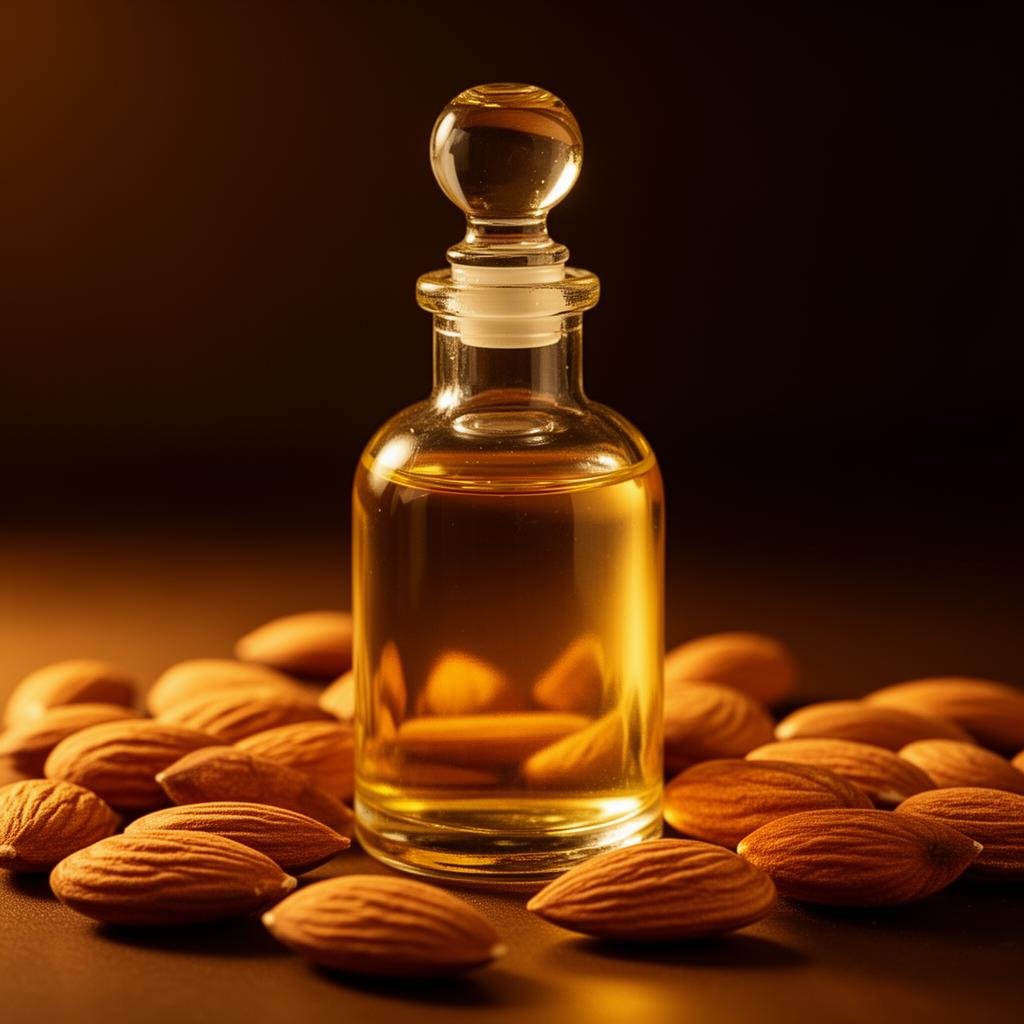
Cosmetic-grade sweet almond oil is one of the most widely used carrier oils in personal care formulation — appearing in facial serums, body lotions, massage oils, hair treatments, baby care products, and luxury spa preparations. But “cosmetic grade” is not a single standard: it encompasses a range of quality attributes, purity levels, and processing methods that significantly affect formulation performance, consumer safety, and regulatory compliance. This guide explains what cosmetic buyers should specify, test, and document when sourcing almond oil for personal care applications.
Defining Cosmetic Grade: What the Specification Means
In the context of sweet almond oil (INCI: Prunus Amygdalus Dulcis Oil), cosmetic grade means the oil has been processed to meet purity standards suitable for direct skin contact. For cold-pressed almond oil, this primarily means the oil has been cold-filtered to remove particulate matter and minor impurities while preserving its native fatty acid profile and tocopherol content. For refined almond oil, additional steps including degumming, neutralisation, and deodorisation may be applied to achieve a more controlled colour and odour profile — producing a paler, more neutral-smelling oil that blends easily in complex formulations. Both cold-pressed and refined options have legitimate roles in cosmetic formulation depending on the positioning and performance requirements of the product.
Sourcing Cosmetic Grade Almond Oil in Bulk?
Cambay Industries supplies cold-pressed and refined cosmetic-grade almond oil with full MSDS, COA, and COSMOS-compatible documentation.
Key Analytical Parameters to Specify
When sourcing cosmetic-grade almond oil, formulators should specify and verify the following parameters via COA from an independent laboratory. Free Fatty Acid (FFA) value should be below 0.3% for cold-pressed cosmetic grade — higher FFA indicates poor storage, delayed processing, or low-quality source nuts. Peroxide Value should be below 5.0 meq O₂/kg for fresh cosmetic-grade oil; values above 10 indicate rancidity onset and will compromise finished product stability and skin safety. Refractive Index should fall within 1.4630-1.4650 at 40°C, confirming correct fatty acid composition. Colour should be measure as maximum 4.0 Gardner units for cold-pressed or 2.0 Gardner for refined. UV Absorbance at 270nm should be below 2.0 for genuine cold-pressed or filtered quality. Any COA that does not include at least FFA, peroxide value, and refractive index should be treated with caution.
Regulatory Compliance for EU Cosmetics
Almond oil used in cosmetics sold in the EU must comply with Cosmetics Regulation EC 1223/2009. This requires that the oil does not contain any prohibited substances under Annex II of the regulation; that it is manufactured under GMP as defined in ISO 22716:2007; that any allergen labelling requirements are met (the EU requires listing of 26 fragrance allergens above threshold concentrations, and tree nut proteins may need to be considered in claims targeting sensitive skin); and that a Product Information File (PIF) is maintained by the responsible person in the EU.
For COSMOS-certified organic cosmetics, the almond oil must be sourced from certified organic almonds and processed in accordance with COSMOS processing principles — no hydrogenation, no propylene oxide treatment, and no radiation. Cambay Industries can supply COSMOS-compatible almond oil with the supporting origin and processing documentation required for organic cosmetic certification applications.
Formulation Performance Characteristics
Sweet almond oil’s fatty acid profile (oleic acid 62-86%, linoleic acid 20-30%) gives it a medium-weight feel that is emollient without being excessively occlusive. It penetrates the skin readily, making it suitable as both a leave-on formulation base and as a massage oil. Its relatively low comedogenicity (comedogenic rating: 2/5) makes it suitable for most skin types including combination and mildly acne-prone skin, though individuals with severe nut allergies should exercise caution regardless of processing refinement. In hair formulations, almond oil’s oleic acid content provides excellent cuticle-smoothing emolliency for frizz control and shine serums.
Sourcing from Cambay Industries
Cambay Industries supplies cosmetic-grade sweet almond oil in 200L stainless-lined drums and 1000L IBC containers for B2B cosmetic manufacturing supply chains. Our oil is cold-pressed from premium quality sweet almonds with full traceability through to origin, with MSDS, COA, and COSMOS-compatible documentation included as standard. Custom packaging in 50ml–500ml retail-ready bottles is available for private label cosmetic brands. Contact our team to discuss formulation requirements, sample dispatch, and certification support for your product registration process.
Launch Your Cosmetic Product Line with Premium Almond Oil
Get cosmetic-grade samples and technical documentation for your product development. Also explore our whole and blanched almonds.
Published by Cambay Industries — specialists in premium textiles and nuts processing since 1970.