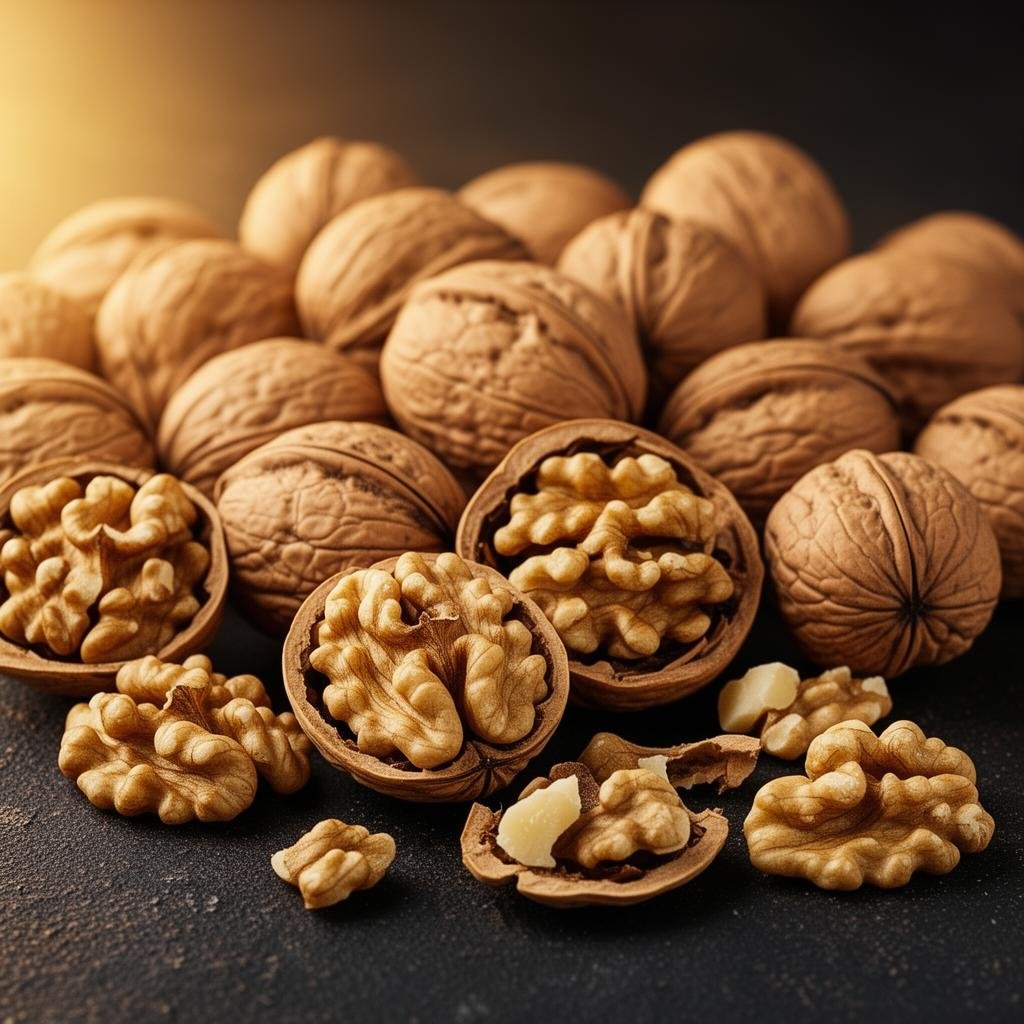
Walnut kernel procurement for food manufacturers — bakers, confectioners, snack manufacturers, FMCG ingredient buyers — requires the same systematic understanding of grading standards, quality parameters, and food safety requirements that applies to any food-grade tree nut category. Walnut kernels span a wide quality range, from premium halves suitable for luxury retail and patisserie applications through to granule and paste grades for bakery ingredient supply. This guide provides B2B buyers with the grading system knowledge and specification criteria needed to purchase walnut kernels with confidence.
International Walnut Kernel Grading Standards
Walnut kernels are graded internationally against standards set by the California Walnut Board (for US-origin product — the dominant global supply source at approximately 38% of global production) and by import market regulatory requirements (EU Standard for walnuts and walnut kernels; Codex Standard for walnuts CXS 306-2011). The primary grading dimensions for walnut kernels are: halves vs. pieces (halves command a premium of 5–20% over mixed pieces; “large pieces,” “medium pieces,” and “small pieces” grades suit different ingredient applications); colour grade (light, light amber, amber, and dark — lighter colour commands premium; EU market buyers typically require “light” or “light amber” grades for premium confectionery use); moisture content (maximum 5% for safe storage and import compliance); rancidity (assessed as peroxide value and free fatty acid — walnut is high in polyunsaturated oil and highly susceptible to oxidative rancidity); and foreign material/defect tolerance.
Walnut Kernels Across All Grades — ISO 22000 Certified Export
Cambay Industries exports walnut kernels with colour grade documentation, moisture COA, and NABL-accredited rancidity testing. View our walnut range.
Rancidity: The Most Important Quality Parameter for Walnut Buyers
Walnut kernels contain approximately 65–70% fat, of which approximately 72% is polyunsaturated (PUFA) — predominantly linoleic acid (omega-6) and alpha-linolenic acid (omega-3). These polyunsaturated fats are nutritionally beneficial but are highly susceptible to oxidative rancidity — the chemical process by which oxygen attacks the carbon double bonds in PUFA molecules, generating peroxides and eventually aldehydes and ketones that produce the characteristic stale, bitter rancid flavour. Peroxide value (PV, in meq O2/kg of oil) measures primary oxidation products. PV below 3 meq/kg represents fresh product; PV above 10 meq/kg indicates significant oxidation. Anisidine value (AV) measures secondary oxidation products (aldehydes). The TOTOX value (2×PV + AV) provides a combined oxidation index — values below 20 are acceptable for food-grade walnut ingredient supply. Purchasing walnut kernels without peroxide value and free fatty acid (FFA) documentation from an accredited laboratory represents a serious food safety and quality risk. Cambay Industries provides TOTOX and FFA documentation as part of the standard COA for all walnut shipments. Our pistachio and full nuts division offer complementary quality-documented supply.
Rancidity-Tested Walnut Kernels — Light and Light Amber Grades Available
TOTOX, FFA, moisture, colour grade documentation with every order. ISO 22000 certified. Trusted by bakeries and FMCG ingredient buyers globally.
Published by Cambay Industries — specialists in premium textiles and nuts processing since 1970.