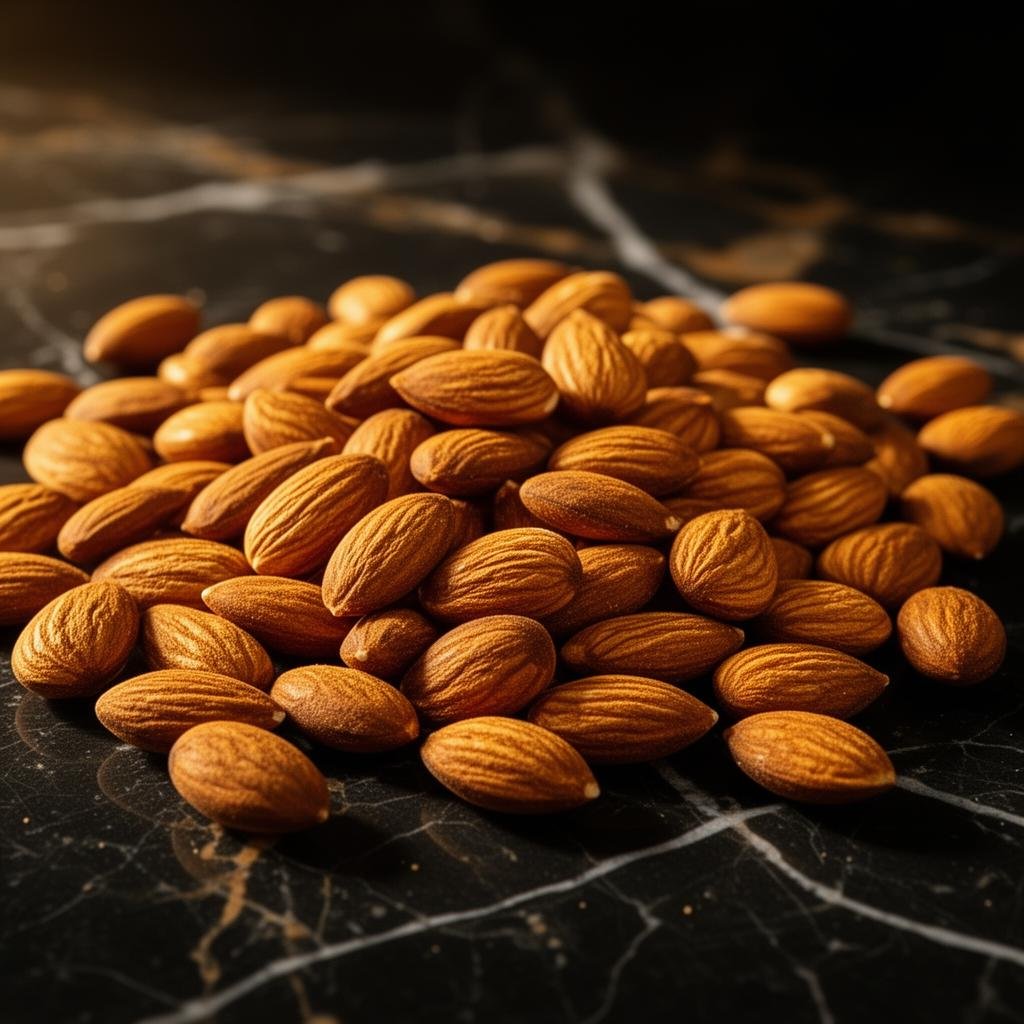
Sourcing almonds for large-scale food manufacturing requires more than simply comparing price per kilogram. Quality, consistency, traceability, and certification all have a direct impact on your finished product quality, regulatory compliance, and customer satisfaction. This guide walks through the key evaluation criteria buyers should use when selecting an almond supplier.
Understanding Almond Grades
Almonds are graded by size (diameter in millimetres), colour uniformity, moisture content, and defect percentage. The premium Supreme grade (26mm+) commands the highest price and is used in luxury confectionery and gifting. No.1 (18-23mm) is the workhorse of the food manufacturing sector, ideal for blanching, slicing, and flour production. Always request a detailed grade specification and COA (Certificate of Analysis) from your supplier before committing to a purchase order.
Certification Checklist
Responsible almond sourcing includes checking for: ISO 22000:2018 or FSSC 22000 food safety management certification; HACCP documentation; aflatoxin and pesticide testing to EU MRL thresholds; Halal and/or Kosher certification where required by your end markets; and Non-GMO verification if relevant to your label claims.
Why Cambay Industries
Cambay Industries sources California and Spanish origin almonds with full farm-to-facility traceability. Every batch is tested before dispatch, with COA documents included as standard. We offer flexible grade selection, multiple packaging formats, and can supply 24-month shelf-stable vacuum-packed tins for long lead-time procurement cycles.
Published by Cambay Industries — specialists in premium textiles and nuts processing since 1970.