Hotel ESG (Environmental, Social, and Governance) commitments have moved from voluntary brand positioning to a competitive and regulatory requirement. Major travel booking platforms now filter by sustainability certification. Corporate travel policies from Fortune 500 companies increasingly require hotel partners to demonstrate minimum ESG performance standards. EU supply chain due diligence regulation is extending ESG disclosure requirements to hotel group procurement. In this context, the textile programme — one of the highest-spend and highest-impact procurement categories in any hotel — is both a significant ESG improvement lever and a growing area of stakeholder scrutiny. This guide sets out the pathway to building a credible sustainable textile programme.
The Carbon Footprint of Hotel Linen: Where Impact Occurs
The carbon footprint of a hotel linen programme can be mapped across four stages: fibre production (cotton cultivation, synthetic fibre petrochemical production), manufacturing (energy-intensive yarn spinning, weaving, dyeing, and finishing), transport (sea freight from manufacturing origin, last-mile distribution), and end-of-life (landfill for worn-out textiles, or recycling). For a typical 200-room hotel consuming 15,000 kg of textiles annually, cotton cultivation and conventional textile dyeing dominate the carbon profile. Transitioning to GOTS-certified organic cotton eliminates synthetic pesticide and fertiliser use (responsible for approximately 40% of conventional cotton’s carbon footprint) and requires processing exclusively with organic-compliant dyes and chemicals. For synthetic fibre products (polyester tablecloths, shower curtains), recycled polyester (rPET) from post-consumer plastic bottles reduces embedded carbon by 30–50% versus virgin polyester. Both pathways are available through Cambay Industries’ sustainable textile range.
GOTS-Compliant and OEKO-TEX Certified Hospitality Textiles
Cambay Industries supplies sustainable hotel linen programmes with full eco-certification support. View our hospitality textile range.
Water Use: The Less-Discussed ESG Impact of Textile Production
Conventional cotton cultivation consumes approximately 10,000 litres of water per kilogram of fibre — making it one of the most water-intensive agricultural products globally. Hotels with sustainability commitments in their ESG frameworks should account for Scope 3 water use in their textile supply chains. Better cotton (BCI-certified) and GOTS organic cotton programmes include water stewardship commitments that reduce irrigation intensity by 10–20% versus conventional cultivation. Textile dyeing is the second major water impact area: conventional reactive dyeing uses significant wash water, which carries residual dye and chemicals. Low-liquor ratio dyeing equipment and closed-loop water treatment systems — standard at premium Indian textile manufacturers including Cambay Industries — reduce dyehouse water consumption by 40–60% versus open-vessel dyeing. Requesting documented water consumption data from your textile supplier is now a standard component of responsible hotel procurement due diligence.
How Eco-Certification Supports Your Hotel’s ESG Reporting
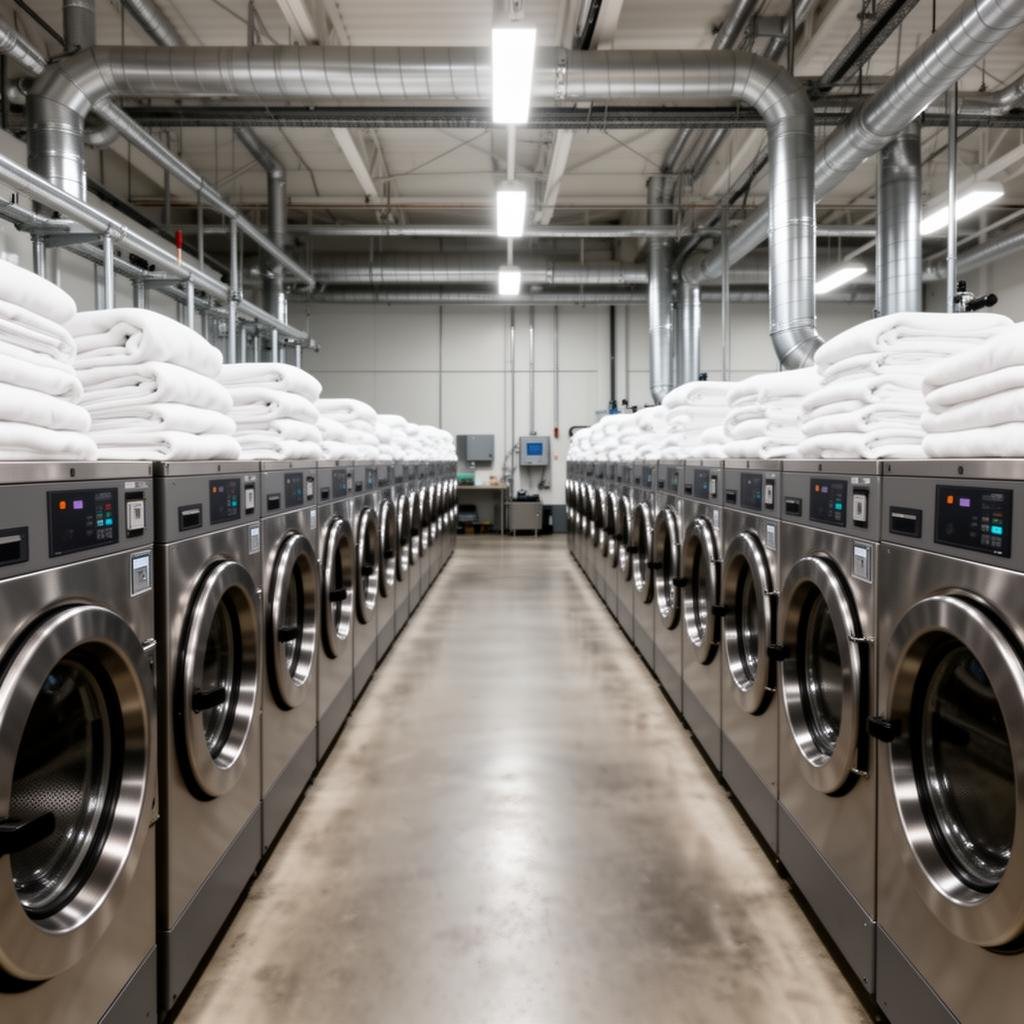
ESG reporting requires evidence of supply chain impact reduction — not just policy commitments. OEKO-TEX MADE IN GREEN label on hospitality textiles provides traceable documentation of environmentally friendly production conditions back to the raw material stage, directly supporting Scope 3 supply chain transparency in ESG reports. Green Key and EarthCheck hotel certification programmes (the most widely recognised in European and Asia-Pacific hospitality) include purchasing criteria that award points for eco-certified linen, bath rugs, and table linens sourced from certified manufacturers. Our institutional laundry textile range also supports ESG reporting for hotel groups managing on-premises linen services.
Strengthen Your Hotel’s ESG Score with Certified Sustainable Textiles
Full eco-certification, ESG supply chain documentation, and expert guidance for sustainability procurement managers in hospitality.
Published by Cambay Industries — specialists in premium textiles and nuts processing since 1970.